

Drilling Fluids Auxiliaries
Your Leading Shandong Juxin New Materials Co., Ltd. Supplier
Shandong Juxin New Materials Co., Ltd. was established in 1991, located in Tangshan Industrial Park, Huantai County, Zibo City. The company is committed to the production, sales and technical research and development of water-soluble polymer , oilfield chemicals and cement additives; Our products are widely used in oil field drilling and production, construction, sewage treatment and other industries, and the output value will reach 120 million RMB in 2021; The company successfully passed ISO9001, ISO14001 and OHSAS18001 system certification in 2019. The company has 1 invention patent and 6 utility model patents. The company has been recognized by Shandong Provincial Department of Science and Technology as a pilot test base for oilfield chemicals and a small and medium-sized enterprise based on science and technology; Zibo Enterprise Technology Center; In 2022, it will be rated as a provincial specialized and special new enterprise.In order to better expand national trade, Zibo Ruijie New Technology Development Co., Ltd. was established in 2018, which is widely exported to 26 countries and regions such as Russia,Turkey,Dubai.
Why Choose Us?

24h online service
We try and respond to all concerns within 24 hours and our teams are always at your disposal in case of any emergencies.

Rich experience
Dedicated to strict quality control and attentive customer service, our experienced staff is always available to discuss your requirements and ensure complete customer satisfaction.

Quality control
We have built a professional QC team to accurately inspect every raw material and every process of production.

Competitive price
We offering a higher-quality product or service at an equivalent price. As a result we have a growing and loyal customer base.


What Is Drilling Fluids Auxiliaries?
Drilling fluids auxiliaries, also known as drilling fluid additives or drilling mud additives, are substances that are added to drilling fluids to enhance their performance and optimize the drilling process. Drilling fluids, also called drilling mud, are essential for drilling operations as they help to cool and lubricate the drill bit, carry cuttings to the surface, and provide stability to the wellbore.
Benefits of Drilling Fluids Auxiliaries
Lubrication: Drilling fluids auxiliaries can provide lubrication, reducing friction between the drill bit and the formation being drilled. This helps to reduce wear and tear on drilling equipment, prolonging their lifespan and reducing maintenance costs.
Wellbore stability: Certain drilling fluids auxiliaries, such as inhibitors and stabilizers, help maintain the stability of the wellbore. They can prevent swelling and dispersion of the formation, reducing the risk of wellbore instability, collapse, and stuck pipe incidents.
Formation damage prevention: Drilling fluids auxiliaries can prevent formation damage during drilling operations. They can control the invasion of drilling fluids into the formation, reducing pore plugging and minimizing the risk of formation damage, such as clay swelling or fines migration.
Cuttings removal: Drilling fluids auxiliaries, such as dispersants and deflocculants, aid in the effective removal of cuttings from the wellbore. They can prevent cuttings from settling at the bottom of the well, ensuring better wellbore cleanliness and improving drilling efficiency.
Viscosity control: By adding viscosity modifiers or thinners, drilling fluids auxiliaries can control the rheological properties of the drilling fluid. This allows for better control of the drilling process, including cuttings suspension, wellbore cleaning, and prevention of fluid losses.
Wellbore strengthening: Some drilling fluids auxiliaries, such as lost circulation materials, can strengthen the wellbore by plugging or bridging fractures or permeable zones. This prevents drilling fluid losses into the formation, maintaining wellbore integrity.
Types of Drilling Fluids Auxiliaries
Viscosifiers
Viscosifiers are additives that increase the viscosity of the drilling fluid. They help to suspend and carry the drilled cuttings to the surface, prevent their settling, and provide stability to the wellbore. Common viscosifiers include bentonite, attapulgite, and xanthan gum.
Weighting agents
Weighting agents are used to increase the density of the drilling fluid, which helps to control formation pressures and prevent well blowouts. Barite (barium sulfate) is the most commonly used weighting agent in drilling fluids.
Lubricants
Lubricants are added to drilling fluids to reduce friction between the drill string and the wellbore. They help to minimize torque and drag, improve drilling efficiency, and reduce wear on drilling equipment. Common lubricants include mineral oils, synthetic oils, and fatty acids.
Defoamers
Defoamers are used to control foam formation in drilling fluids. Foam can interfere with drilling operations and reduce the efficiency of gas removal from the wellbore. Defoamers help to break down foam and improve fluid performance.
How to Maintain Drilling Fluids Auxiliaries

Storage: Store drilling fluids auxiliaries in a cool, dry, and well-ventilated area. Keep them away from direct sunlight, extreme temperatures, and sources of ignition. Follow the manufacturer's instructions for specific storage requirements.
Handling: Handle drilling fluids auxiliaries with care to prevent spills or contamination. Use appropriate personal protective equipment (PPE) when handling chemicals, such as gloves, goggles, and protective clothing. Avoid contact with skin, eyes, and inhalation of fumes or dust.
Mixing: Follow the recommended mixing procedures and guidelines provided by the manufacturer. Use clean and properly calibrated equipment to ensure accurate measurements and proper mixing ratios. Avoid cross-contamination by using dedicated equipment for each drilling fluid additive.
Compatibility: Ensure compatibility between drilling fluids auxiliaries and other additives or base fluids used in the drilling operation. Some additives may react negatively when mixed with certain chemicals or fluids, leading to reduced effectiveness or even hazardous reactions. Consult with drilling fluid experts or the manufacturer for compatibility information.
Contamination prevention: Prevent contamination of drilling fluids auxiliaries by keeping containers tightly sealed when not in use. Avoid introducing foreign materials, such as dirt, water, or other chemicals, into the containers or mixing equipment. Clean and sanitize equipment regularly to prevent cross-contamination.
Monitoring: Regularly monitor the condition and performance of drilling fluids auxiliaries. Conduct routine tests and analysis to ensure that the additives are within the desired specifications and are functioning effectively. Adjust the dosage or replace the additives if necessary.
Shelf life: Observe the shelf life and expiration dates of drilling fluids auxiliaries. Use the oldest stock first to prevent the degradation of additives over time. Dispose of expired or deteriorated additives properly according to local regulations.
Documentation: Maintain accurate records of the drilling fluids auxiliaries used, including batch numbers, dates of receipt, and usage quantities. This information can be helpful for troubleshooting, quality control, and future reference.

How Can You Optimize Drilling Parameters to Calculate the Drilling Rate?

The ROP formula
The ROP formula is based on the assumption that the drilling rate is proportional to the mechanical energy applied to the bit and inversely proportional to the rock strength. The formula is: ROP = K * W / (D * S) where K is a constant that depends on the bit type and size, W is the weight on bit (WOB), D is the bit diameter, and S is the rock strength. By using this formula, you can estimate the ROP for a given set of drilling parameters and compare it with the actual ROP measured by the sensors.

The weight on bit
The weight on bit (WOB) is the force exerted by the drill string on the bit. It is one of the most important parameters to optimize because it affects the bit performance, the torque, and the drill string integrity. If the WOB is too low, the bit will not penetrate the rock efficiently and the ROP will decrease. If the WOB is too high, the bit will wear out faster and the risk of bit failure, stick-slip, or buckling will increase. To optimize the WOB, you need to consider the bit design, the formation characteristics, and the drilling fluid properties.

The bit diameter
The bit diameter (D) is the size of the hole that the bit creates. It is determined by the well design and the casing program. The bit diameter affects the ROP because it determines the cross-sectional area of the rock that the bit has to cut. The larger the bit diameter, the lower the ROP, assuming that the WOB and the rock strength are constant. To optimize the bit diameter, you need to balance the trade-off between the ROP and the hole quality. A smaller bit diameter may increase the ROP, but it may also cause more hole deviation, instability, or washout.

The rock strength
The rock strength (S) is the resistance of the rock formation to drilling. It is influenced by the rock type, texture, porosity, and fracture density. The rock strength affects the ROP because it determines how much energy is required to break the rock. The higher the rock strength, the lower the ROP, assuming that the WOB and the bit diameter are constant. To optimize the rock strength, you need to use the appropriate bit selection, drilling fluid formulation, and hydraulics optimization.

The summary
To optimize drilling parameters and calculate the ROP, you can use the ROP formula and adjust the WOB, the bit diameter, and the rock strength accordingly. By doing so, you can enhance your drilling efficiency, reduce your drilling costs, and improve your well quality.
Toxicity: Some drilling fluids auxiliaries may contain chemicals that can be toxic to the environment. It is important to assess the toxicity of these additives and ensure that they are used in accordance with environmental regulations and guidelines.
Biodegradability: The biodegradability of drilling fluids auxiliaries is an important factor to consider. Biodegradable additives are preferred as they break down more easily in the environment, reducing the potential for long-term environmental impact.
Environmental fate: Understanding the environmental fate of drilling fluids auxiliaries is crucial. This includes assessing their potential for bioaccumulation, persistence, and mobility in the environment. Additives that have a low potential for bioaccumulation and are not persistent or mobile are generally considered more environmentally friendly.
Spill prevention and response: Adequate measures should be in place to prevent spills of drilling fluids auxiliaries. This includes proper storage, handling, and transportation practices. Additionally, a spill response plan should be in place to minimize the environmental impact in the event of a spill.
Discharge and disposal: The proper disposal or treatment of drilling fluids auxiliaries is essential to prevent contamination of water bodies or soil. Compliance with regulations regarding discharge and disposal should be followed to minimize environmental harm.
Monitoring and reporting: Regular monitoring of drilling fluids auxiliaries and their impact on the environment is important. This includes monitoring water quality, soil quality, and the presence of any contaminants. Any adverse effects should be promptly reported and addressed.
Environmental impact assessments: Before using drilling fluids auxiliaries, an environmental impact assessment should be conducted to evaluate the potential environmental risks and develop appropriate mitigation measures.
How Can the Compatibility of Drilling Fluids Auxiliaries with Other Additives or Base Fluids Be Ensured?
Review manufacturer recommendations: Start by reviewing the manufacturer's recommendations and guidelines for the drilling fluids auxiliaries and other additives or base fluids you plan to use. The manufacturer should provide information on compatibility and any potential issues that may arise.
Conduct compatibility testing: Perform compatibility testing by mixing small quantities of the drilling fluids auxiliaries with the other additives or base fluids. Observe the mixture for any signs of incompatibility, such as phase separation, precipitation, or changes in viscosity. Compatibility testing can be done in the laboratory or through field trials.
Consider chemical interactions: Understand the chemical interactions that may occur between the drilling fluids auxiliaries and other additives or base fluids. Some chemicals may react with each other, leading to undesirable effects such as gelling, emulsion formation, or loss of effectiveness. Consult with chemical experts or the manufacturer to assess potential chemical interactions.
Assess physical compatibility: Evaluate the physical compatibility of the drilling fluids auxiliaries and other additives or base fluids. Consider factors such as solubility, density, and rheological properties. Incompatible fluids may separate or form layers, leading to operational issues and reduced performance.
Monitor performance: During drilling operations, closely monitor the performance of the drilling fluid system when using the drilling fluids auxiliaries and other additives or base fluids. Look for any signs of incompatibility, such as changes in fluid properties, decreased drilling efficiency, or wellbore instability. Adjustments may be necessary if compatibility issues arise.
Seek expert advice: If you are unsure about the compatibility of drilling fluids auxiliaries with other additives or base fluids, seek advice from drilling fluid experts or the manufacturer. They can provide guidance based on their expertise and experience.
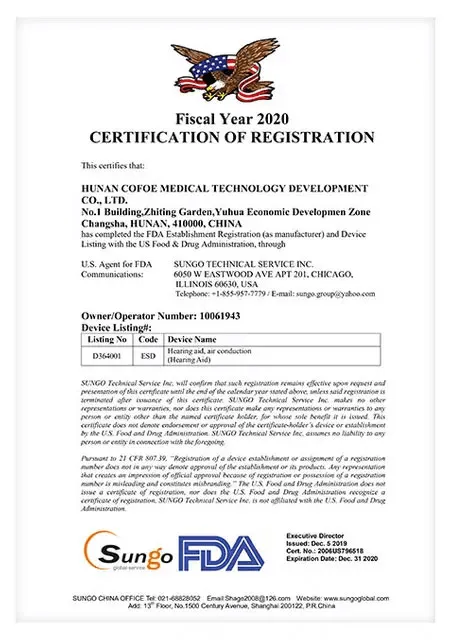
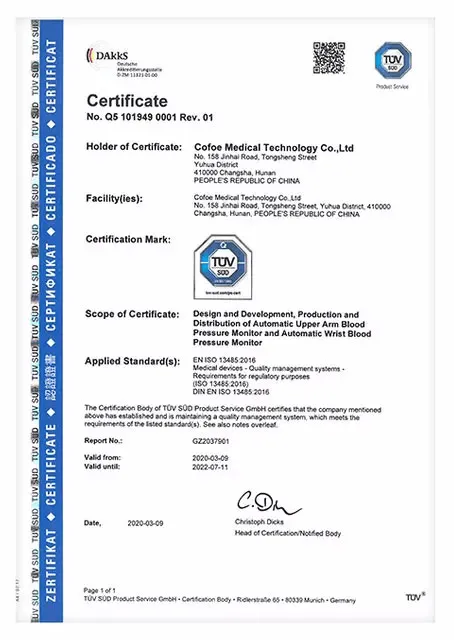
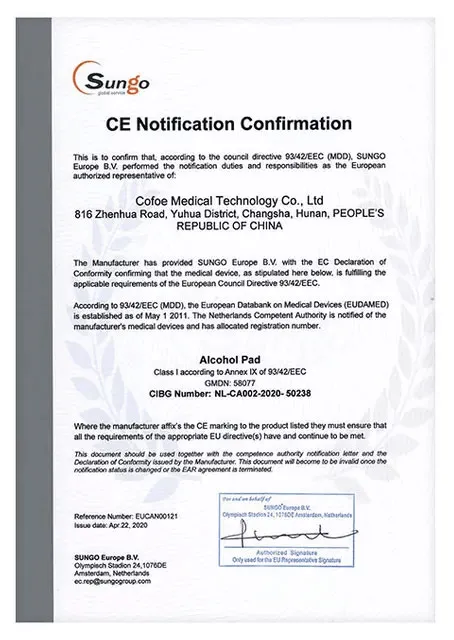
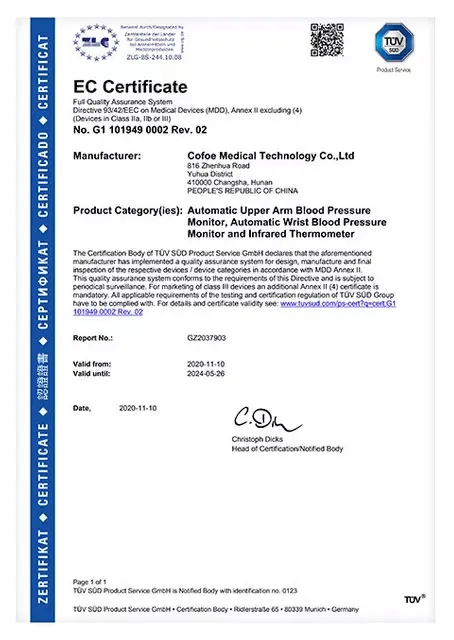
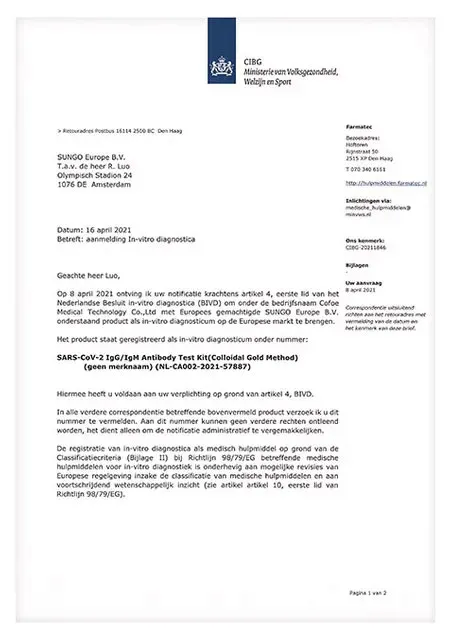
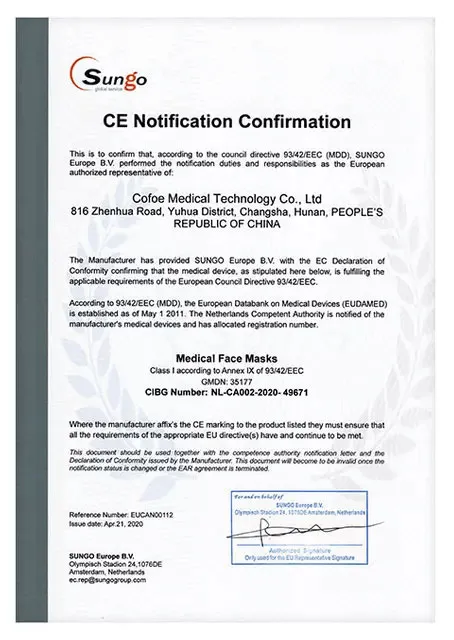
Our Certifications
FAQ
Q: What fluids are used in drilling?
Q: What is another name for drilling fluid?
Drilling mud, in petroleum engineering, a heavy, viscous fluid mixture that is used in oil and gas drilling operations to carry rock cuttings to the surface and also to lubricate and cool the drill bit.
Q: What is the best drilling fluid?
Q: What are the two important functions of drilling fluids?
Q: What is the difference between drilling fluid and drilling mud?
Q: How do I choose drilling fluid?
Q: What requirements should a drilling fluid meet?
Q: Which type of drilling fluid would be best to use in unstable formations?
Q: Can water be used as a good drilling fluid?
Q: How are drilling fluids separated in a drilling site?
Q: How do you calculate drilling fluid pressure?
Q: What is normal drilling pressure?
Q: What is the shear rate of drilling fluid?
Shear rate is the rate of change of velocity at which one layer of fluid passes over an adjacent layer. As an example, consider that a fluid is placed between two parallel plates that are 1.0 cm apart, the upper plate moving at a velocity of 1.0 cm/sec and the lower plate fixed.
Q: What are the basic drilling fluids?
Q: What is Tau 0 in drilling fluids?
Q: How do you formulate drilling fluid?
Q: What are low gravity solids in drilling fluids?
Q: What is surfactant in drilling fluids?
Q: Why is viscosity important in drilling?
Q: What can I use as drilling fluid?
Welcome to consult drilling fluids auxiliaries price with Shandong Tongli Chemical Co.,Ltd, which is one of the leading drilling fluids auxiliaries suppliers in China and also a productive drilling mud auxiliaries, oil drilling chemicals, drilling polymer, oil well chemical factory.
, oil drilling chemicals , Drilling mud Auxiliaries , drilling polymer , drilling polymer China , drilling polymer price , oil well chemical , oil well chemical China