

Oil Recovery Additives
Your Leading Shandong Juxin New Materials Co., Ltd. Supplier
Shandong Juxin New Materials Co., Ltd. was established in 1991, located in Tangshan Industrial Park, Huantai County, Zibo City. The company is committed to the production, sales and technical research and development of water-soluble polymer , oilfield chemicals and cement additives; Our products are widely used in oil field drilling and production, construction, sewage treatment and other industries, and the output value will reach 120 million RMB in 2021; The company successfully passed ISO9001, ISO14001 and OHSAS18001 system certification in 2019. The company has 1 invention patent and 6 utility model patents. The company has been recognized by Shandong Provincial Department of Science and Technology as a pilot test base for oilfield chemicals and a small and medium-sized enterprise based on science and technology; Zibo Enterprise Technology Center; In 2022, it will be rated as a provincial specialized and special new enterprise.In order to better expand national trade, Zibo Ruijie New Technology Development Co., Ltd. was established in 2018, which is widely exported to 26 countries and regions such as Russia,Turkey,Dubai.
Why Choose Us?

24h online service
We try and respond to all concerns within 24 hours and our teams are always at your disposal in case of any emergencies.

Rich experience
Dedicated to strict quality control and attentive customer service, our experienced staff is always available to discuss your requirements and ensure complete customer satisfaction.

Quality control
We have built a professional QC team to accurately inspect every raw material and every process of production.

Competitive price
We offering a higher-quality product or service at an equivalent price. As a result we have a growing and loyal customer base.


What Is Oil Recovery Additives?
Oil additives are chemical compounds that improve the lubricant performance of base oil (or oil "base stock"). The manufacturer of many different oils can utilize the same base stock for each formulation and can choose different additives for each specific application. Additives comprise up to 5% by weight of some oils.
Benefits of Oil Recovery Additives
Increased oil recovery: The primary benefit of oil recovery additives is their ability to enhance the recovery of oil from reservoirs. These additives modify the properties of the reservoir fluids or alter the reservoir rock, making it easier to mobilize and displace trapped oil. This leads to increased oil production and improved overall recovery rates.
Improved sweep efficiency: Oil recovery additives, such as polymers and surfactants, can improve the sweep efficiency of the injected fluids. They reduce the mobility ratio between the injected fluid and the oil, ensuring better displacement of oil from the reservoir. This helps to recover a higher percentage of the original oil in place (OOIP).
Enhanced reservoir fluid properties: Additives like surfactants and alkali chemicals can modify the properties of the reservoir fluids. They reduce the interfacial tension between oil and water, making it easier to mobilize and displace the oil. They can also alter the pH of the reservoir fluids, reducing the oil viscosity and improving its mobility.
Reduced water production: In many oil reservoirs, water is produced along with the oil. Oil recovery additives can help to reduce the production of water by improving the selectivity of the displacing fluid. This means that more oil is recovered while minimizing the production of unwanted water, leading to higher oil-to-water ratios.
Compatibility with existing infrastructure: Oil recovery additives are designed to be compatible with existing oilfield infrastructure and production processes. They can be easily incorporated into existing injection systems and do not require significant modifications or investments in new equipment.
Environmental considerations: Some oil recovery additives, such as microbial enhanced oil recovery (MEOR) agents, offer environmentally friendly solutions. These agents utilize naturally occurring microorganisms or their byproducts to enhance oil recovery, reducing the need for harsh chemicals and minimizing environmental impact.
Cost-effectiveness: Oil recovery additives can provide cost-effective solutions for improving oil recovery. By increasing the efficiency of oil production, operators can maximize the value of their assets and generate higher returns on investment. Additionally, the use of additives can help to optimize production processes, reduce downtime, and minimize operational costs.
Types of Oil Recovery Additives
Surfactants
Surfactants, also known as surface-active agents, are chemicals that reduce the interfacial tension between oil and water. They help to mobilize and displace trapped oil from the reservoir rock, making it easier to recover. Surfactants can be classified into three categories: cationic, anionic, and nonionic, depending on their charge characteristics.
Polymers
Polymers are high-molecular-weight compounds that can increase the viscosity of the injected water or displacing fluid. They improve the sweep efficiency by reducing the mobility ratio between the injected fluid and the oil. Polymers can be classified into different types, such as partially hydrolyzed polyacrylamide (PHPA) and xanthan gum.
Alkali chemicals
Alkali chemicals, such as sodium hydroxide (NaOH) and sodium carbonate (Na2CO3), are used to modify the pH of the reservoir fluids. Alkali chemicals react with acidic components in the reservoir, reducing the oil viscosity and improving its mobility. This helps to displace and recover more oil from the reservoir.
Surfactant-polymer (SP) systems
Surfactant-polymer systems combine the benefits of surfactants and polymers. They are used to improve the efficiency of oil recovery by reducing the interfacial tension and increasing the viscosity of the displacing fluid. SP systems are often used in tertiary or enhanced oil recovery (EOR) methods.
Microbial enhanced oil recovery (MEOR) agents
MEOR agents involve the use of microorganisms or their byproducts to enhance oil recovery. These agents can alter the properties of the reservoir fluids, improve the sweep efficiency, and reduce the oil viscosity. MEOR agents include bacteria, enzymes, and biosurfactants.
Gas injection additives
Gas injection methods, such as carbon dioxide (CO2) and nitrogen (N2) flooding, are used to enhance oil recovery. Additives can be used in conjunction with gas injection to improve the efficiency of the process. These additives can help to reduce the mobility ratio, increase the sweep efficiency, and improve the displacement of oil.
How to Maintain Oil Recovery Additives

1.Storage conditions: Store the oil recovery additives in appropriate conditions as specified by the manufacturer. This may include keeping them in a cool, dry place away from direct sunlight and extreme temperatures. Follow any specific storage instructions provided by the supplier.
2.Handling: Handle the additives with care to prevent contamination or damage. Use clean and dry equipment when measuring or transferring the additives. Avoid contact with water or other incompatible substances that may affect their performance.
3.Shelf life: Check the shelf life of the additives and ensure that they are used within the recommended timeframe. Expired additives may not provide the desired results and could potentially cause issues in the oil recovery process.
4.Compatibility: Ensure that the additives are compatible with the reservoir fluids, injection fluids, and other chemicals used in the oil recovery process. Incompatible additives can lead to reduced effectiveness or even adverse reactions. Consult with experts or conduct compatibility tests if necessary.
5.Dosage and mixing: Follow the recommended dosage and mixing instructions provided by the manufacturer. Use accurate measuring equipment to ensure the correct amount of additives is added to the injection fluids. Improper dosage can lead to ineffective performance or potential damage to the reservoir.
6.Monitoring and testing: Regularly monitor the performance of the oil recovery additives during the injection process. Conduct periodic testing to assess their effectiveness and adjust the dosage or formulation if needed. Keep records of the additive usage and performance for future reference.
7.Quality control: Source oil recovery additives from reputable suppliers and ensure they meet industry standards and specifications. Conduct quality control checks to verify the consistency and quality of the additives before use.
8.Safety precautions: Follow proper safety precautions when handling and using oil recovery additives. Use personal protective equipment (PPE) as recommended by the manufacturer and adhere to safety guidelines to prevent accidents or exposure to hazardous substances.

Innovations in Enhanced Oil Recovery Methods

Steam-assisted gravity drainage (SAGD)
One of the most successful and widely used EOR techniques is SAGD. This method involves injecting steam into the reservoir to reduce the viscosity of the oil and facilitate its flow to production wells. SAGD has proven to be highly effective in extracting heavy oil and bitumen from oil sands. Its advantages include:
1.Increased oil recovery rates by up to 60%
2.Reduced environmental impact compared to other methods
3.Ability to recover oil from deep and thin reservoirs
According to industry statistics, SAGD is responsible for a significant portion of Canada's oil production and has the potential to unlock vast oil reserves worldwide.

Carbon capture, utilization, and storage (CCUS)
One of the key challenges in the oil industry is reducing carbon emissions associated with oil production. CCUS is an innovative EOR method that not only helps in maximizing oil recovery but also captures and stores carbon dioxide (CO2) emissions. The captured CO2 can then be utilized for other purposes or permanently stored underground. Some key advantages of CCUS include:
1.Significantly lower carbon footprint
2.Enhanced oil recovery by utilizing the captured CO2
3.Promotes sustainable practices in the oil industry
Industry studies estimate that CCUS has the potential to reduce CO2 emissions by up to 90% and can play a crucial role in meeting climate change targets set by various nations.

Chemical enhanced oil recovery (CEOR)
CEOR techniques involve injecting chemicals into the reservoir to alter the properties of the oil and improve its mobility. Some commonly used chemicals include polymers, surfactants, and alkalis. CEOR offers several advantages in oil recovery:
1.Increased sweep efficiency by displacing trapped oil
2.Prolonged production life of mature oil fields
3.Improvement in reservoir conformance
According to industry experts, CEOR methods have the potential to unlock billions of barrels of additional oil reserves globally, ensuring a steady supply of oil for years to come.

Nanotechnology in EOR
Nanotechnology is revolutionizing various industries, and its impact on EOR is no exception. Nano-based materials are being developed and used to enhance oil recovery in a sustainable manner. Key applications of nanotechnology in EOR include:
1.Nano-fluids for improved oil displacement
2.Nano-gels for enhanced reservoir conformance
3.Nano-filtration for efficient water treatment
Studies indicate that nanotechnology-based EOR methods have the potential to increase oil recovery rates by 5-15%, which can significantly boost oil production while minimizing environmental impact.
Oil recovery additives can contribute to reducing water production and improving oil-to-water ratios through various mechanisms. Here are a few ways in which they can achieve this:
Selective fluid mobility: Oil recovery additives can alter the mobility ratio between the injected fluid and the reservoir fluids. By reducing the mobility of water, these additives can help to selectively displace oil while minimizing the production of water. This improves the oil-to-water ratio in the produced fluids.
Interfacial tension reduction: Some additives, such as surfactants, can reduce the interfacial tension between oil and water. This reduction in interfacial tension makes it easier to mobilize and displace the oil, while also preventing the trapping of water. As a result, the production of water is reduced, leading to improved oil-to-water ratios.
Wettability alteration: Oil recovery additives can modify the wettability of the reservoir rock. By making the rock surface more oil-wet, they can prevent the preferential flow of water and enhance the preferential flow of oil. This helps to reduce water production and improve the oil-to-water ratio.
Water shut-off: In some cases, water breakthrough or coning can occur during oil production, leading to increased water production. Oil recovery additives can be used to create barriers or plugs in the reservoir, diverting the injected fluids away from the water zones and towards the oil-bearing zones. This helps to reduce water production and improve the oil-to-water ratio.
Reservoir pressure maintenance: Oil recovery additives, such as gas injection additives, can be used to maintain reservoir pressure. By injecting gas into the reservoir, the pressure is increased, which helps to push the oil towards the production wells while minimizing the production of water. This improves the oil-to-water ratio in the produced fluids.
How Do Surfactants Contribute to Enhanced Oil Recovery?
Interfacial tension reduction: Surfactants can reduce the interfacial tension between oil and water. This reduction in interfacial tension makes it easier for the surfactant solution to spread and displace the oil from the reservoir rock surfaces. By reducing the interfacial tension, surfactants help to mobilize and release trapped oil, improving the recovery efficiency.
Emulsification: Surfactants can form stable emulsions by dispersing oil droplets in water or vice versa. This emulsification process helps to increase the contact area between the oil and the displacing fluid, facilitating the displacement of oil from the reservoir rock. The emulsified oil is then carried along with the displacing fluid, leading to improved oil recovery.
Wettability alteration: Surfactants can alter the wettability of the reservoir rock. They can change the affinity of the rock surface towards water or oil, making it more water-wet or oil-wet, respectively. By altering the wettability, surfactants can improve the preferential flow of oil and reduce the trapping of water, enhancing oil recovery.
Control: Surfactants can control the mobility of fluids in the reservoir. They can reduce the mobility of water, which tends to flow more easily, while increasing the mobility of oil, which is typically less mobile. This mobility control helps to improve the sweep efficiency and displacement of oil, leading to enhanced oil recovery.
Foam generation: Surfactants can be used to generate foam in the reservoir. Foam acts as a barrier, reducing the mobility of water and diverting the displacing fluid towards the oil-bearing zones. This helps to improve the sweep efficiency and displacement of oil, enhancing oil recovery.
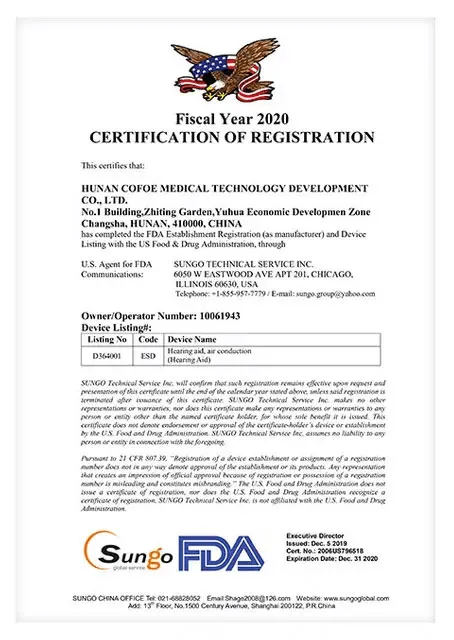
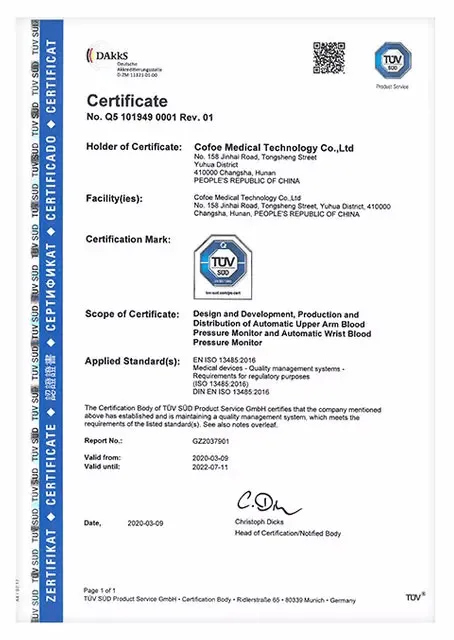
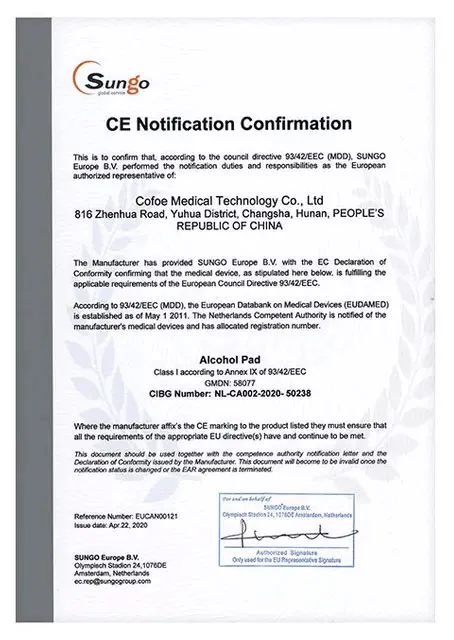
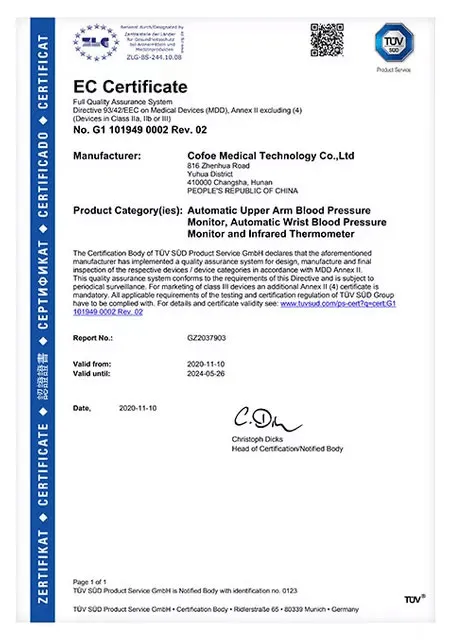
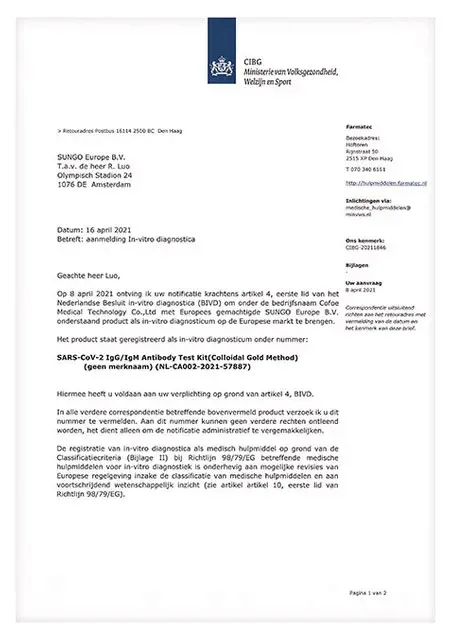
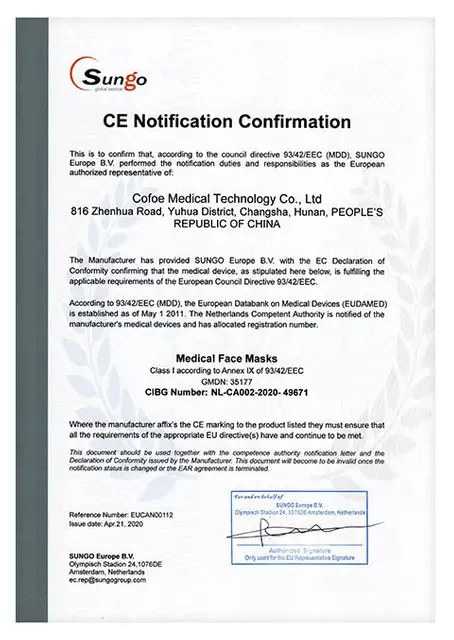
Our Certifications
FAQ
Q: What are the three types of oil recovery?
Q: What are four oil additives?
Q: Is ATF an additive in engine oil?
Q: Which of the following are examples of additives in oil?
Q: What is an oil additive?
Q: Does synthetic oil have additives?
Q: Do additives in oil ever wear out?
Q: What are the three types of oil recovery?
Q: What are the chemicals for enhanced oil recovery?
Q: What is hydrogel for enhanced oil recovery?
Q: How many types of EOR methods are there?
There are three main types of EOR, including chemical flooding, gas injection and thermal recovery. Increasing the cost of development alongside the hydrocarbons brought to the surface, producers do not use EOR on all wells and reservoirs. The economics of the development equation must make sense.
Q: What are the four factors that affect oil recovery?
Q: What are 3 environmental issues with oil recovery?
Q: What are the primary oil recovery mechanisms?
Q: What are the environmental issues with oil recovery?
Q: What is the difference between primary secondary and tertiary oil recovery?
Q: What is the purpose of secondary recovery in oil drilling?
Q: What is the gas used for secondary oil recovery?
Q: What are the four factors that affect oil recovery?
Q: What is a method to increase oil recovery from a reservoir?
Welcome to consult oil recovery additives price with Shandong Tongli Chemical Co.,Ltd, which is one of the leading oil recovery additives suppliers in China and also a productive oil recovery additives factory.
, Oil Recovery Additives China , Oil Recovery Additives suppliers , Oil Recovery Additives price , Oil Recovery Additives factory